
Have Your Say About Maternity Care in Australia!
The Nursing and Midwifery Board of Australia (NMBA) are recommending the removal of an unsubstantiated regulation that creates a barrier to private midwifery care. The current barrier is achieving 5,000 hours (3 years full-time postgraduate experience) to gain endorsement.
If this doesn't change, fewer midwives will be available, costs will rise, and some families will be left without safe, supported birth options.
We need as many submissions as possible before the deadline. It takes 5 minutes, anyone can respond, and your voice matters.
- 1The NMBA will review all submissions received before 5 June 2026
- 2A decision on the updated registration standard is expected before the end of 2026
- 3We'll update this page when results are announced — follow @kellylangford_midwife to stay informed
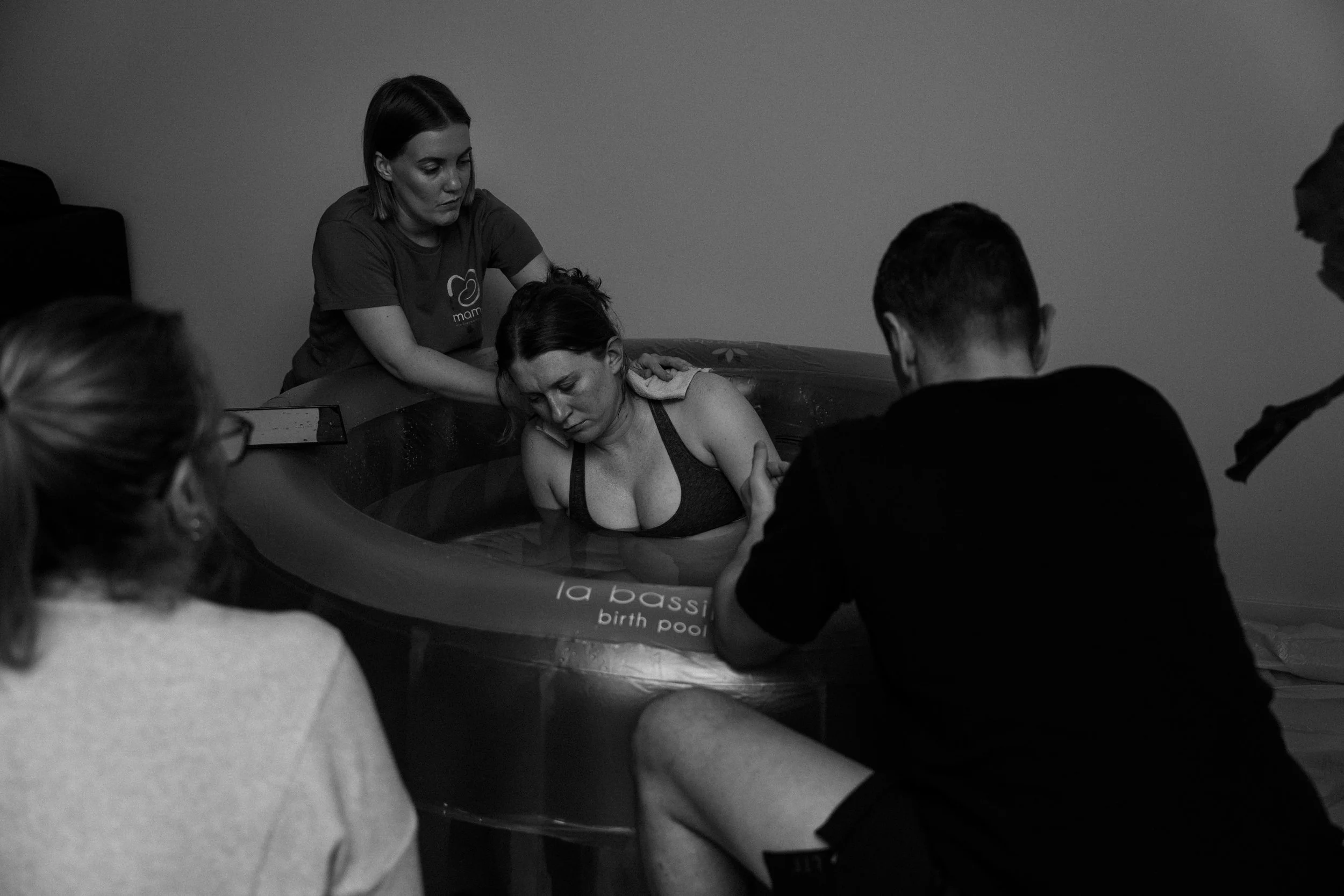
The arbitrary requirement for midwives to gain 5,000 hours of clinical experience to gain endorsement and be able to work in private practice, has no evidence base and no international precedence.
A significant proportion of women in Australia say they would choose a known midwife model if it were more accessible and available to them. The removal of this barrier recognises what consumers want!
Clicks through this page to the NMBA consultation. Thank you to every single person who had their say. Submissions closed 5 June 2026.
If this doesn't change, families will lose access to care
The removal of the professional indemnity insurance (PII) exemption for independently practising homebirth midwives is due in December 2026. From that date, all privately practising midwives attending homebirths must hold appropriate PII, and in practice, this is contingent on holding endorsement for scheduled medicines. Under the current 5,000-hour standard, a newly registered midwife working full-time would need approximately 3 years before they could apply for endorsement and gain access to insurance. The result: fewer midwives, less choice, and real gaps in care.
-
Fewer midwives available
Some midwives currently providing private midwifery and homebirth care will no longer be able to.
-
Increased cost, reduced access
Fewer endorsed midwives means less access to Medicare-rebatable, affordable midwifery-led care.
-
Rural and remote communities hit hardest
Families in regional areas already have the fewest options. This regulation makes it worse.
-
Families left without safe options
Where midwifery care becomes unavailable, more women may birth without any registered professional present.
Why the 5,000-hour rule doesn't stand up
The requirement has no evidence base, no international precedent, and disproportionately affects women. Here's what the research says.
Not Evidence-Based
The 5,000-hour threshold is arbitrary with no published evidence that it produces safer practice. Midwifery education already provides ~4,800 hours of training.
No International Precedent
Midwives in the UK, the Netherlands and New Zealand can provide full-scope care from graduation. Australia is the outlier.
Better Outcomes
Private midwifery achieves better outcomes for mothers and babies than any other model of care, and is protective against birth trauma (Leinweber et al., 2025).
Gender Inequity
97-98% of midwives are women. Many can't meet the threshold within 6 years due to parental leave and caring responsibilities.
Safety Is Already Protected
Midwives complete rigorous undergraduate training plus a postgraduate prescribing diploma. The hours add burden without adding safety.
Families want Continuity of Care!
Surveys show that families want care with a known care provider, yet this model is currently only accessible to less than 30% of the population. Removing the barrier to endorsement is a direct step towards giving more families the care they want.
This isn't just about birth.
The impact of this regulation stretches into postnatal care, lactation support, and the everyday health of Australian families.
Postnatal care is under-resourced
Most families leaving hospital receive minimal follow-up: a visit or two, then largely nothing, at the very time when birth trauma, breastfeeding challenges, and postnatal depression are most likely to emerge. Private midwives provide the continuity, clinical skill, and relational support that other models simply cannot offer at scale.
Lactation support locked behind a barrier
Midwives who are also qualified lactation consultants can provide Medicare-rebatable care, but only if they hold endorsement. The 5,000-hour requirement is locking experienced midwife-LCs out of that pathway, leaving families to pay full out-of-pocket costs for support that should be universally accessible. Australia's breastfeeding rates already fall well below recommended targets.
Fewer endorsed midwives hits every family
Fewer endorsed midwives means fewer families can access supported postnatal and lactation care at a cost they can actually afford, regardless of where or how they gave birth. This isn't a niche issue. It affects every family navigating the fourth trimester without adequate support.
Guided Responses
Recommended answers to help you complete the NMBA submission. Click each question to see suggested responses you can use or adapt in your own words.
Is the updated content of the proposed revised Registration standard helpful, clear and relevant?
The revised standard is clearly written, removes an unsupported threshold, and better reflects contemporary midwifery practice.
The proposed changes address a structural barrier that has no evidence base and is inconsistent with international regulatory frameworks for midwives. The revised standard is relevant to the current workforce context, particularly given the impending removal of the PII exemption for homebirth midwives in December 2026.
Do you support removal of the 5,000-hour clinical hours requirement?
This is the most important question in the form. There is no published evidence that 5,000 hours makes care safer.
By the time a midwife is registered, they have completed approximately 4,800 hours of integrated clinical and theoretical training. To apply for endorsement, midwives must then complete an additional postgraduate diploma in prescribing. It is this qualification that provides the specific skills needed, not the accumulation of post-registration hours.
Internationally, no comparable country requires midwives to accumulate postgraduate clinical hours to provide full-scope care. Midwives in the UK, Netherlands, and New Zealand can practise in this capacity from graduation.
Do you support removal of the context of practice requirement?
Midwives are qualified across all stages of care: antenatal, birth and postnatal. They are registered to provide care across these contexts. Requiring hours to be accumulated in a specific context is overly prescriptive and does not reflect the reality of contemporary midwifery practice.
Do you support a 12-month window to apply after completing the prescribing qualification?
This is a reasonable timeframe that keeps skills current. A 12-month window is a proportionate and sensible requirement for ensuring currency of prescribing knowledge.
Would the proposed changes cause negative impacts on people accessing healthcare?
More endorsed midwives means better access and safer care for families. The proposed updates will increase the number of endorsed midwives available, improving access to Medicare-rebatable, midwife-led continuity of care, particularly for families in rural, remote and regional areas.
Would the changes cause negative impacts on Aboriginal and Torres Strait Islander Peoples?
Removing this barrier improves access to midwifery care for all Australians, particularly in remote and regional communities where a large proportion of Aboriginal and Torres Strait Islander peoples live. It is the maintenance of the current barriers, not their removal, that is more likely to result in adverse effects.
Would the changes cause negative impacts on currently endorsed midwives?
Already endorsed midwives are not affected by this change. Their endorsement and practice rights remain unchanged. A larger endorsed workforce strengthens the profession, supports better availability of second midwives for homebirth, and builds a more sustainable private midwifery sector.
Please provide any other feedback (open text box)
This is your chance to share your own story in your own words. You could mention:
• What it was like trying to find a midwife for your birth
• How limited your choices were, especially if you live regionally or rurally
• Whether you or someone you know felt pressured to consider birthing without professional support (e.g. freebirth)
• Why having a trusted, known midwife matters to you and your family
• Any concerns about the December 2026 insurance changes and what that means for homebirth availability
Your personal experience is powerful. The NMBA needs to hear the real-world impact of this standard.
The form has a separate Guidelines section with 6 questions.
For questions 1–5, select Prefer not to answer. For question 6 (free text), simply type N/A and submit.
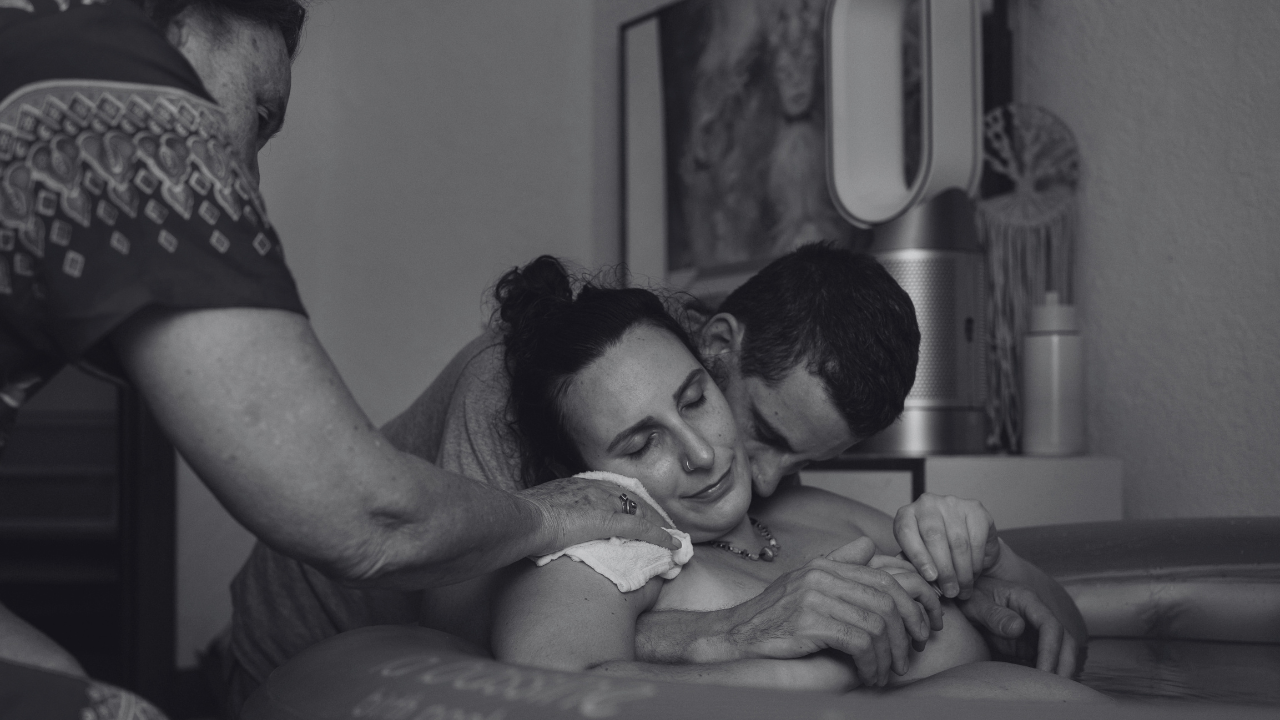
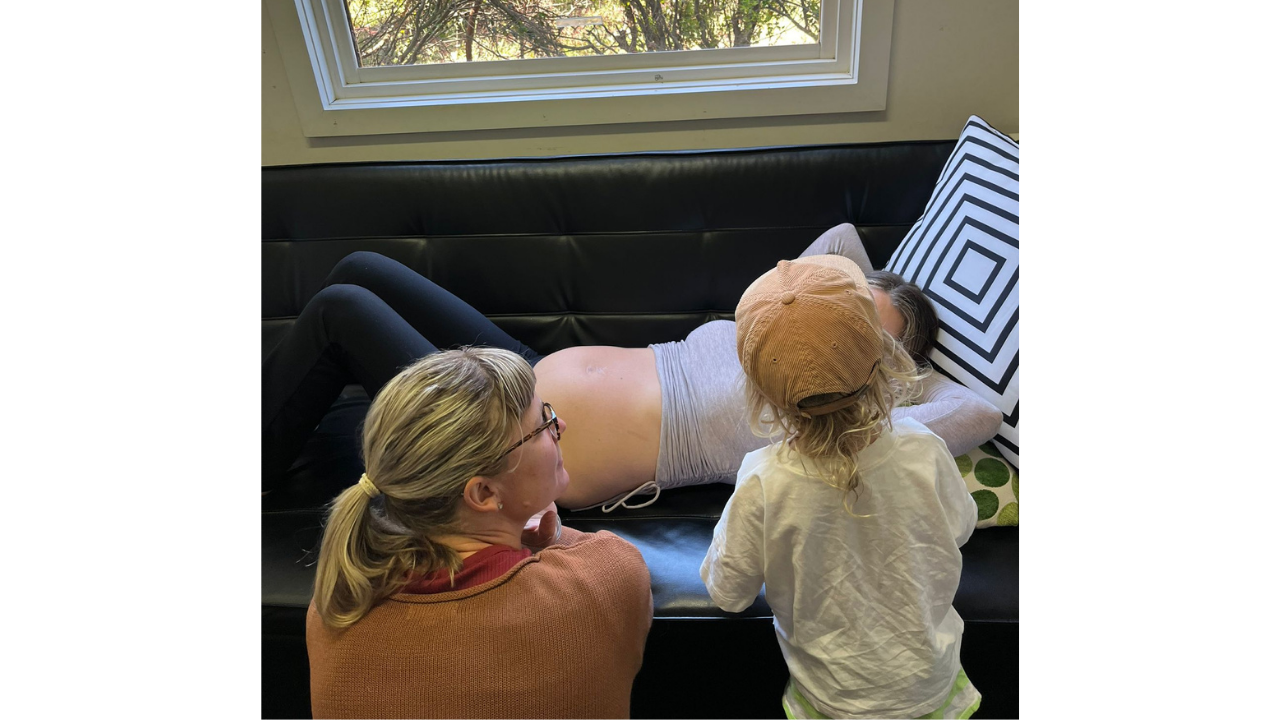
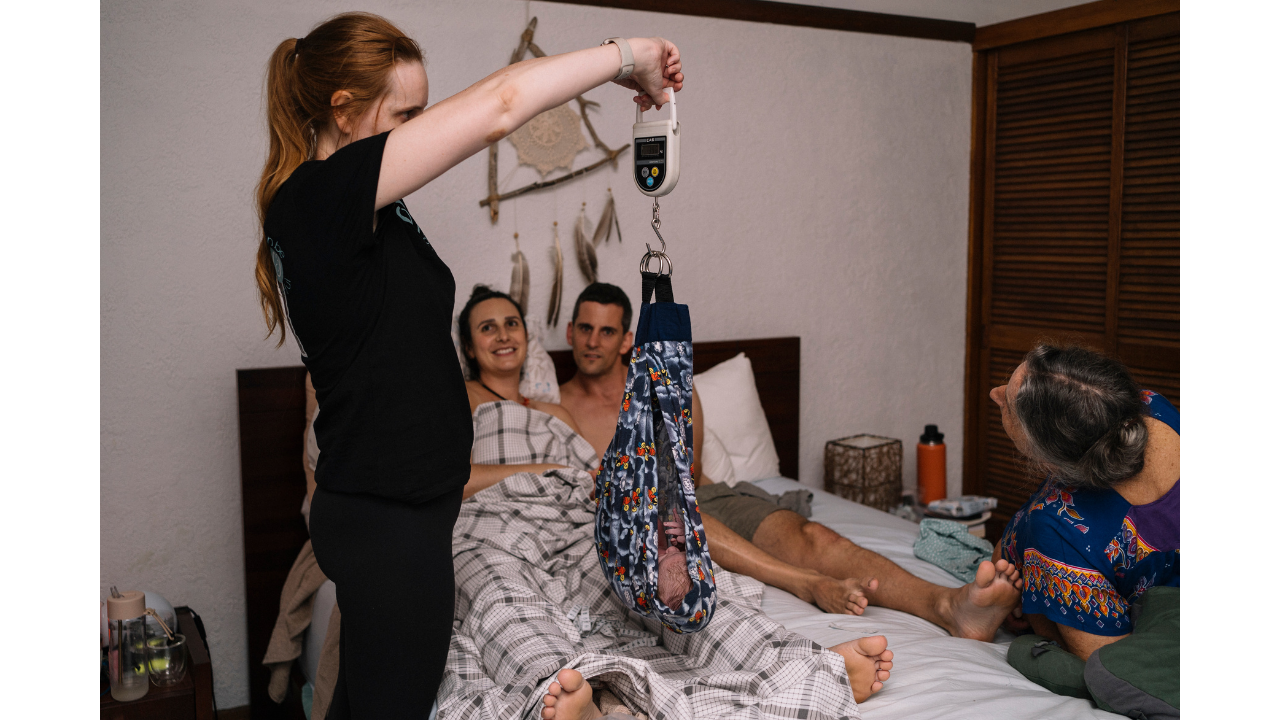
731 voices. Thank you.
The consultation has now closed. We are so grateful to everyone who participated and had their say. We are hoping to hear the results before the end of the year — keep an eye on this page for more!
Results expected before end of 2026.